3.30.2023

Ensure the Safety of Your Loved Ones with this Comprehensive Guide to Home Emergency Preparedness

In an emergency, it is vital to be prepared and plan for your family's safety. From natural disasters to home invasions or medical emergencies, having the right supplies and knowing precisely how to respond can make all the difference. Through this blog post, I will provide comprehensive information on different types of preparation so that when disaster strikes, you are ready with knowledge and resources!


Via Pixabay


Be knowledgeable of potential home-related crises.

Being aware of all the potential dangers that can occur in your home is the initial step to ensuring your family is ready for any emergency. From the devastating effects of floods and tornadoes to non-natural disasters like fires and break-ins, these unexpected events can leave us feeling vulnerable. To be on top of it, creating a plan with your family should become a priority: that way, you'll know what to do if each scene takes place. As part of the emergency plan, decide who will do what specific tasks if an emergency arises, and ensure each family member understands their responsibilities. Hence, they are ready no matter the situation.


Stock up on essential items.

Water, non-perishable food, first aid supplies, batteries, and a battery-powered radio are all necessary items to purchase ahead of time in preparation for a potential emergency. Good backup power sources like flashlights, generators, and Emergency Home Backup Power systems are also a good idea. Not only do these provide a secure environment, but they also add convenience during power outages. Make sure to keep these items in an easy-to-reach location within your home to ensure quick access if needed.


Teach children how to use 911 in case of an emergency.

When a medical emergency arises in the home, children need to know how and when to use 911. Teaching children how to use this critical resource can be an invaluable asset in their knowledge base. Begin by showing them how to dial 911 from any phone. Next, explain to your child that the call is answered by a dispatcher trained to help guide them through whatever situation they may be facing. Let them know that even if they are feeling scared, it is ok to still ask for help and use 911 when needed. Demonstrate proper phrases such as "I need help" and "I have an emergency" should be used for the dispatcher to understand their need and take appropriate steps.


Create an emergency contact list and ensure everyone has it stored on their phones.

It's vital to keep detailed contact information for local emergency services, like the fire department, police, and ambulance. But it is equally important to include contacts who can help in times of crisis - like relatives and close friends or neighbors you trust. Having a comprehensive list of both types of potential assistance ensures that if ever needed, they are available quickly when time matters most. In addition, having this vital contact information readily available on each person's phone will make it easier for them to access help should an emergency occur at home. Ensure that when compiling this contact list, each mobile phone contains the same information and a clear understanding of how these contacts are organized and labeled on their phones. Hence, they are quickly accessible in an emergency.


Emergencies can be scary, but preparation is vital to keeping your family safe. Knowing the types of disasters that can happen in your home, having a plan prepared, and stocking up on must-have items allow you and your family to manage any crisis or emergency confidently. 


His Only Son.


This is a movie that the whole family will not want to miss. Angel Studios who brought you Chosen is releasing a new movie “ His Only Son”, this is about Abraham and Sarah

This is a movie about a mothers love for a son which is a strong love.  I had to watch it multiple times and each time I was brought to tears. 


Abraham’s faith is tested on the three day journey to sacrifice his son. His only son recounts one of the most controversial moments in the Old Testament.  Abraham was commanded by God to sacrifice his son Isaac on the mount Moriah, while traveling to the place of sacrifice, with him were two servants and his son.  Abraham is flooded with memories from the years him and Sarah had spent longing for a son that God had promised them…


NOW HE MUST LAY HIM ON THE ALTAR.

#HISONLYSONMIN Movie release March 31- you can buy tickets here here

Watch the Trailer here

Leave a message and tell me you bought your ticket, there is a $10 amazon card give away.


Disclosure: Many thanks to Angel studios and #Momentuminfluencernetwork for providing a sample of the product for this review, all opinions are my own.


3.26.2023

5 Tips For Cooking When You Have No Time


Pixabay


Cooking meals at home is the easiest way to know exactly what you’re eating and manage your diet well. However, even if you enjoy cooking, it can be difficult to find the time to do it. Whether you’re working a full-time job, parenting your children, caring for elderly parents, or have any other number of responsibilities, cooking may not be at the top of your priority list.


So, how do you find the time to cook when you have no time? Here are some tips for making it easier.

Cook Together

Cooking together is a great way to cook faster. If two of you are cooking at the same time, you won’t have to spend so much time in the kitchen creating a delicious meal. It’s also a great way to bond with your partner.


In addition to having to work around each other, you’ll also learn each other's likes and dislikes and gain inspiration from each other when it comes to getting creative with meals.


Prep Ingredients

If you only have an hour to cook and eat during the week but have a few free hours on the weekend, prepping ingredients can really help. It can help to pre-chop vegetables and store them in the fridge for when you need them. You can also make batches of fruit porridge and smoothies for breakfast.


You can pre-cook ingredients like pasta and rice too. Batch cooking entire meals is a great idea for the evenings when you only have time to eat. Stews and casseroles are ideal for freezing and warming when you need them.

Air Fryer Recipes

Cooking with an air fryer has become increasingly popular. With people looking to save money on energy bills, air fryers present a great solution. They can cook many recipes in less time than conventional ovens so they don’t use as much electricity.


For instance, using a papas rellenas recipe in your air fryer is ideal for creating a small protein dish that can accompany an array of different ingredients of your choice.

Fill Your Pantry

Make sure your pantry is full of healthy options that take a few minutes to put together. For example, soups, tinned vegetables and tinned fruit will always come in handy. When you have no time, it’s easy to order takeout and eat junk food.


If your pantry is full of healthy food, you’ll always be able to create a meal that gives you the vitamins and energy you need to get through the week.

Boil Eggs

Eggs are a wonderful addition to many different meals but boiled eggs are a fantastic way to fill your stomach in just a few minutes. Slice up boiled eggs and add them to your salad for lunch for an ideal protein source.


They also go well with pasta and rice to add additional flavor. Boiling an egg can take less than three minutes so they’re also perfect for breakfast when you need to get out of the door in a hurry.


3.24.2023

How to Make Kids Enthusiastic About Mealtimes'

Image Pexels CC0 License


Many parents struggle to get their kids to eat at mealtimes. While some kids are happy to snack throughout the day when sitting at the dining table and eating a full meal, it can be a different story. Whether your child is a fussy eater or simply doesn’t like to stay at the table, having a child that is unenthusiastic about mealtimes can turn into a nightmare. Eating dinner should never be stressful, but if your child is reluctant to eat what they have been given or to sit down for meals, you may become increasingly frustrated. Many parents struggle to get their kids to eat dinners, so you are not alone if you are experiencing this issue. But what you can you do about it? The good news is there are several ways you can help to get your child feeling excited about mealtimes. Approaching dinner in a positive way is far more likely to deliver successful results, so you may want to try one of the following ideas to get you started:


Get the Kids Involved


Giving kids small, age-appropriate jobs to do that are related to mealtimes can help them to feel more enthusiastic about eating. Having a small amount of responsibility and ownership of a task can fill kids with a sense of pride and help them to feel more engaged. Even simple jobs like setting the table can make children feel more involved in mealtimes. You may also find it helpful to get the kids involved in grocery shopping and thinking of meal ideas to engage them even further.


Teach Kids to Cook


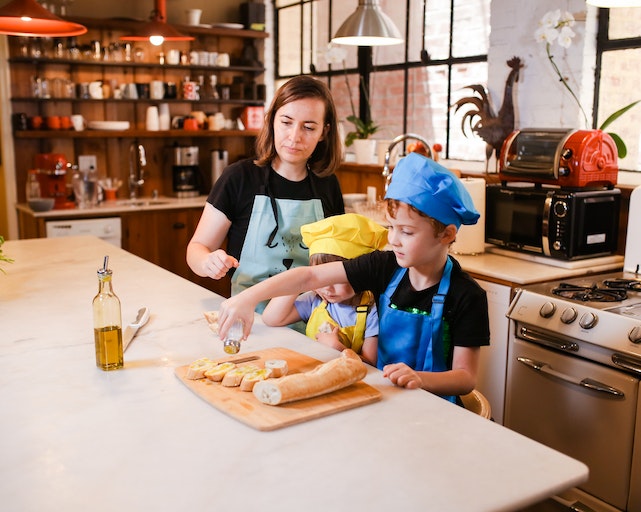
If your child often refuses the food you cook, why not involve them in making their meals? Getting kids involved in the cooking process is beneficial for so many reasons. Firstly, cooking is a life skill and something everyone needs to learn how to do. Secondly, kids are far more enthusiastic about eating if they have been involved in preparing the meal. As adults, cooking can sometimes feel like a mundane activity. However, for kids, being actively involved in cooking food is really exciting and has a novelty factor. It is wise to start with simpler recipes that involve food that can be eaten as part of a main meal, such as this corn muffin recipe at blessthismessplease.com. You should find that helping to cook makes a significant difference and that kids are far more willing to try their meals when they have been involved in preparing them.


Add Some Color


Making your dinners a little more interesting can help capture a child’s attention and encourage them to try foods they would usually immediately refuse. Adding some extra color to your meals is an excellent way to get kids interested in what they are eating and make their plates look more appealing. Chopping up some colorful vegetables, such as bell peppers, tomatoes, carrot sticks, etc., can create a rainbow of colors that kids cannot resist eating, making for a vitamin-packed meal.


3.22.2023

Are You Unsure About How To Design Your Dream Kitchen? Here's What You Can Do!'

Are you envisioning a magnificent kitchen transformation but are unsure of where to begin? Are you struggling to place together the vision of your ideal cooking space? Designing an entirely new kitchen can be daunting, so having some support on this journey is highly beneficial. 


To make this dream come true for yourself, here are several steps that will guide you in designing your dream kitchen:


Via Pexels

Set A Budget: 


Before you can begin designing your dream kitchen, it's essential to establish a sensible budget that works for both the scope of work and the services needed. For example, consider how much should be allocated towards appliances and countertops, as well as labour costs associated with installation - this way, you'll stay within your financial means while still creating a great space!


Search Online For Ideas:  


To get your kitchen design project off to a great start, take advantage of the plethora of resources available on the internet. Peruse different websites and magazines for inspiring ideas that you can include in your own concept board or sketchbook - this visual material will help guide you while deciding which main elements should be included in your space.


Go To Showrooms: 


After completing your online research, it's time to visit showrooms in the vicinity. Showrooms provide an unmatched experience; they allow you to come into close contact with cabinets, countertops, and appliances that could be ideal for your dream kitchen! For example, at Cabinet & Stone Kitchen Showroom, they present a tactile display of materials so you can get a sense of what would make up your perfect space.


Draw Up A Floor Plan: 


Now that the ideas have been sorted out, your next step in turning those dreams of a new kitchen into reality is to draw up a floor plan. This is where all of the vision will be brought together on paper! A well-crafted draft with accurate measurements and perspectives can help you determine how countertops, appliances, and other items should be arranged for maximum space utilisation. 


Get Input From Family and Friends: 


Your family and friends' opinions are steadfastly priceless - their input can provide you with a great deal of knowledge about what could work in the kitchen and what may not. Collecting their feedback before concluding on your end decision is an essential step towards designing the ideal kitchen that you have been dreaming of.


Take Your Time: 


If you're designing a dream kitchen, remember that it won't be constructed overnight. So be patient and select the materials wisely - these decisions will result in an astounding space!


It can be an overwhelming task to design your dream kitchen, but the reward of finally getting it done is well worth it. If you ever feel stuck or need a helping hand throughout this process, don't hesitate to reach out for expert help! An experienced designer will provide invaluable insight and ideas that'll turn your cooking space into a true masterpiece. With their guidance, all you have to do is sit back and enjoy watching your vision come alive before your eyes!


3.18.2023

Life Fences


Everyone has seen fences. We have them along our property; usually wood and or chain link. Just walk down the street and you’ll pass fences of all descriptions. They can simply be for decoration along the front of a lawn; to surrounding a schoolyard; to mark the perimeter of a farmer’s field.

The reality is that fences serve two purposes only.

They are used to keep things in or to keep things out. We build them ourselves or someone else builds them for us. They don’t spring up out of the ground, like dandelions on our lawn.

People also build another barrier or fence—an invisible one.

These are the mental or emotional fences in our lives to keep things in or out… whether they be people, emotions, hurt, or pain, just to name a few. These invisible fences seemingly provide a sense of protection and comfort, as we live our lives.

Emotional fence building starts early in life. Unfortunately, these fences get re-enforced and strengthened as time goes by. They get built a little higher on a daily basis.

In as much as physical fences can be made of wood, concrete, brick, or wire, the emotional or mental fences and barriers we build can be constructed out of:

Fear
Self-Worth
Trusting Others
The Past

Fear
The building supplies needed to construct the emotional fence of fear can be found all around us.

For many of us, there were two or three things about fear we figured out, or conversely didn’t get a good grip on:

– we never learned how to overcome fear,
– we learned that if we avoided making mistakes there was nothing to fear in life, and/or
– we learned to never take any risks due to the risk of failure.

Because we feared failure; we also learned the “fear to try.” The hideous part of all of this is the spiral of “fear to try and fear of failure.” This corrals us into a never-ending cycle of mind-numbing conformity of living life on a treadmill.

Fearing what?
We may fear to start a new career or asking a special someone out, or being in a long-term relationship. Perhaps it’s the fear of success as it is unknown how life could be changed as a result. Are you afraid of being pushed out of your comfort zone?

It is fear that tells us that we don’t have the correct skills for a new position; when in fact we do. Fear convinces us that our new colleagues may not like us. Fear also convinces us that we are comfortable where we are; that life is good enough.

We fear intimacy or to be in a relationship. We may have been hurt in the past and the fear of rejection or being hurt again whispers to us; “don’t go down that road again.” As a result of this fear; we don’t. We turn down an invite for coffee, afraid it may go further. We come up with every excuse under the sun when that perfect someone shows interest in us. Even if we get into a relationship, our subconscious sabotages it because we fear the emotional intimacy.

The fears we have can appear to be real. Nevertheless, fear can pin us down like superglue. This results in us being stuck in a place we truly don’t want to be. We desire to move on in our lives; to grow and live life full-out, but fear holds us back.

The fear of failure leads to the fear to try; which leads back to a fear of failure. It is a vicious cycle.

Fears are personal—people are afraid of failure, rejection, and possible conflicts.

Self-Worth
Self-worth (how we view ourselves) is often tied directly to the level of self-esteem we have. At some point early in our life, we started to build those emotional fences, because we may have felt unloved, awkward, or incompetent.

This can be a life-long construction project. The materials needed to construct the fence of self-worth can get delivered right to your front door by the truckload. Perhaps they show up on a daily basis. People with low self-worth are hyper-sensitive to the criticism and actions of those around us. The greater threat, however, in the construction of this emotional barrier can be found within.

We don’t believe in ourselves as everyone else does. Everyone encourages you saying, “you have got a great talent for this or that,” but you don’t believe them, so you never try.

Every time that happens, you add yet another board to the fence of low self-worth. It slowly gets constructed higher and higher; year after year, until it becomes almost impossible to knock down.

The nails holding the boards together become stronger each time it happens. The boards become thicker and heavier.

You may hear negative comments, so you choose to never try. What might have been your destiny in life had you not allowed others to erect your fence.

We come to believe we don’t have the talent, ability or skills to succeed in various areas of our life; while those around us believe we are capable.

Poor self-worth keeps us penned in from entering into meaningful relationships. Why would they like me? How can I love others, if I can’t even love myself?

Like fear; negative self-worth and low self-esteem are personal… real personal.

Trusting Others

Like the boards on a wooden fence rotting away over time, so does trust.

I read someplace that trust is a “fundamental human experience” necessary for society to function and for any person to be relatively happy. Without it, fear rules. Trust is not an either/or proposition, but a matter of degree; and certain life experiences can impact a person’s ability to trust others.”

Issues of trust may come from experiences in childhood, such as inadequate love and affection, mistreatment or abuse. Perhaps you experienced bullying during your school years. Whatever the reason, these experiences have culminated into our adult relationships. It is harder to trust people if your self-esteem has been kicked out of you over time.

As an adult, it could be a traumatic life event such as the loss of a loved one, an accident, illness or perhaps you have been the victim of physical, verbal or emotional violence. These issues could very well lead to your inability to trust in the goodness of others. It might have been with a partner who broke that trust bond with you.

It could be all of the above. Trusting others, as well as trusting one’s self-care becomes a major issue.

It can be helpful to remind yourself that your current circle of friends/family may not be responsible for past events. It isn’t fair to them to make assumptions based on the actions of someone completely different from your past. It can be a hard process, but building trust is a choice, and building trust in any relationship takes time, especially if your trust has been shattered.

The fence of “trusting others” can be hard to change and renovate. But, it can be done.

The Past
The past often creeps into perceptions about the future. Unfortunately, the past gets carried into the present as the “baggage of life.” And we allow it to happen.

The tricky thing about emotional fences is that we may not even know we’ve built them. We don’t realize we allow the past to build yet another fence of emotional baggage when we get involved in a new relationship. The hideous part of this is, if we haven’t dealt with issues from our past, we are potentially sabotaging this new relationship; which just may be the one that has long-term potential.

If we never deal with past events, our feelings of fear and hurt continue growing until we somehow crazily justify the whole mess… and the cycle continues.

We do the same thing over and over and wonder why the results are always the same.

Fences that went up in the past don’t have to define our future.

So…
Some fences we build on our own; some get built by others.

Regardless of who constructed them, complex structures require complex solutions.

We travel through life and convince ourselves we’re comfortable. We tell ourselves this is all we deserve. We base this on the fences and barriers we have built around us.

We build fences made out of our insecurities; our fears, our self-defined inadequacies, our lack of faith or our approval from others. Other fences get built to protect a broken heart, or to hide who we really are. Maybe we build a fence so we can’t be wrongly defined by society.

Board by board; wire by wire; higher and stronger the fence gets built. Thus; we live within the fences created.

A good reminder when we build fences around our emotions is that it doesn’t just keep people away from us, it also keeps us from moving forward. Fences keep things in and inhibit us from moving forward. Like fences surrounding a prison, we become emotional prisoners.

Often, fences have a window that looks out at others. Every so often we peek out admiring those who appear free. They walk freely, run freely, love freely, seemingly without any walls stopping them.

“How can I be like them?” Our window to the world opens in the fence WE ourselves have built.

What now?
There is good news. It’s not all doom and gloom.

As physical fences can be torn down, emotional walls and barriers can be knocked down and overcome.

Yes, it will likely be difficult. Speaking from my own experience, it is  a difficult and challenging process to go through. But, a necessary process.

Even if the fence only becomes smaller, we’d still be better off. When the fences come down, we can be like those walking freely, running freely, and loving freely.

How?
How do we start dealing with the complex, difficult, and painful issues surrounding those emotional barriers in our lives?

(I’m just going to say this and only because it relates to me and me only. This may not be you or you may not be in a place right now that reflects this…)

Decide
First, you need to make a decision to start; a real decision. That is what I did with a little push from a co worker, I found the most amazing counselor. With fear and anxiety in making that difficult choice, it was a decision I needed to make. In fact, it was the only correct decision.

Identify
What are the fences or barriers made of?

A critical component is to identify what is keeping us a prisoner. Identifying and exploring those barriers help to give us perspective, self-compassion and thus the catalyst to start the healing process. Remember, when you were born, you weren’t worried about building walls to keep from getting hurt. All that came later; much later.

Once we identify them, the work starts to destroy those false beliefs, and to get rid of them so that you can move forward in life. If we think we’ve dealt with them but have only done so on a superficial basis; we can easily fall back into them. We revert to what is familiar to us.

You can’t escape from behind these barriers and move on in life if you keep retreating back into what is familiar.

This may not be an easy process, it certainly isn't for me. If you know you need to deconstruct these emotional barriers, remember you are not alone.


© Take A Walk In My Shoes. Design by FCD.